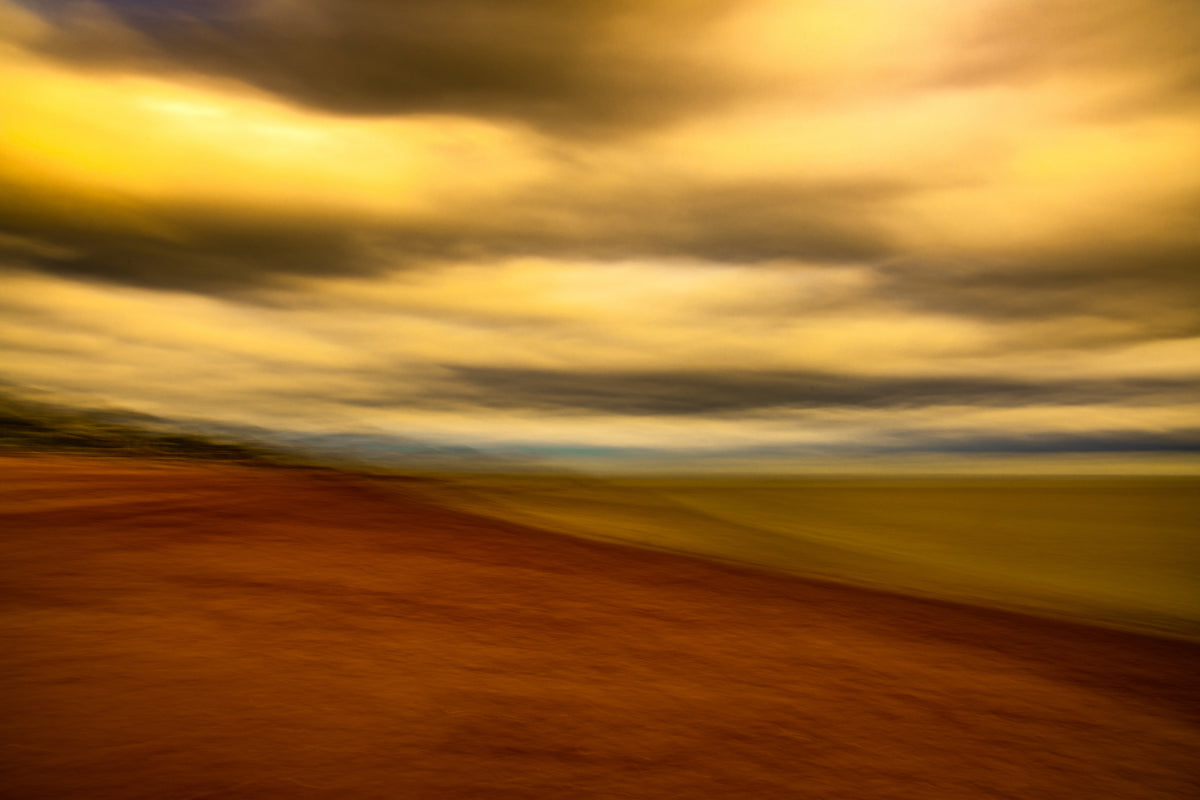
Creating a Serene Home Sanctuary with Coastal Art

Last Updated: 25 October 2026
Quick Summary
Creating a serene home sanctuary means designing a space that lowers stress through soft light, muted colour and natural materials, so the senses stop competing. Choose coastal art with low visual noise, soft edges and a limited palette, then hang it where you pause rather than where you pass.
- Build a palette of three colours: soft blue or sea green, warm sand or linen, and one dark accent.
- Squarines are 30cm x 30cm square acrylic facemounts made in Devon, sized to hold one quiet moment.
- Leave at least 15cm of bare wall on every side of a Squarine in a narrow or awkward space.
- Hang the centre of the piece at roughly eye level when seated, lower than most people expect.
- A warm bulb at 2700K makes coastal work glow, so fix the lighting before anything else.
Table of Contents
- How to Create a Calming Home with Coastal Art
- Calming Artwork for the Home: Choosing Pieces That Breathe
- Squarines Wall Art: Small Formats, Deep Tranquility
- Fine Art Print Materials: Paper, Metal and Acrylic Facemount
- Where to Place Art for Maximum Calm in Any Room
- Common Mistakes That Break a Sanctuary's Atmosphere
- Choosing Your First Piece for a Serene Home Sanctuary
- Frequently Asked Questions
How to Create a Calming Home with Coastal Art
Creating a serene home sanctuary starts with what you put on the walls. At paulstrettonstephens, we build our coastal photography around one idea: a room should slow your breathing the moment you walk in. Art does that faster than paint or furniture, because the eye finds it first. Below, we'll show you exactly how to choose, place and light coastal work so it calms rather than clutters. Thoughtful placement of these visual anchors serves as the foundation for those who wish to build a home sanctuary that fosters genuine stillness.
A serene home sanctuary is a space designed to lower stress through soft light, muted colour and natural materials. It works because the senses stop competing. The coastal pieces we make follow the same logic: blurred horizons, gentle contrast, nothing shouting for attention.
Lighting, Colour Palettes and Natural Textures
Start with light, not furniture. North-facing rooms take cool, even light that suits blue and grey coastal work. South-facing rooms flood with warmth, so choose pieces with sandy, amber or muted tones.
Then build a palette of three colourss and stop:
- Soft blue or sea green as the anchor
- Warm sand, oat or linen as the base
- One dark accent, such as charcoal or deep teal
Texture finishes the job. Linen, wool, rattan and unglazed ceramic all absorb sound and soften reflections. The Colour Affects research on colour and mood is a useful starting point if you want to test a palette before committing.
Watch out: glossy paint plus glossy frames plus a bright window creates glare that makes any room feel restless.
Calming Artwork for the Home: Choosing Pieces That Breathe
Calming artwork for the home is work with low visual noise: soft edges, open space and a limited palette. If you can describe a piece in three colours, it will settle a room. If you need six, it will agitate it.
Look for negative space. A horizon placed high or low leaves room for the eye to rest. Our own work uses intentional camera movement to blur the shoreline into something closer to a painting, which removes the hard detail that keeps your brain working.
Three questions to ask before you buy:
- Does it have one clear focal point?
- Are the edges soft or sharp?
- Would it still feel calm in grey February light?
Squarines Wall Art: Small Formats, Deep Tranquility
Squarines wall art is our answer to the oversized statement print. Each Squarine is a 30cm x 30cm square acrylic facemount, made in Devon, and built to hold a single quiet moment rather than dominate a wall.
The square format matters. It reads as a pause, not a panorama, so it fits above a desk, beside a doorway or in a hallway where a wide print would feel crowded. You can see the full range on our Squarine 002 - Ephemeral Break (30cm x 30cm) page, where a softened wave dissolves into white crest and golden sand.

Styling a Squarine in Small or Awkward Spaces
Awkward spaces reward small, confident pieces. Hang a single Squarine at eye level in a narrow gap and let the wall breathe around it. Group three in a loose column if the wall is tall and thin.
For tighter spots, a Mini-Squarine 008, Peace Beneath the Clouds at 13cm x 13cm works on a shelf, a bedside table or a desk. It arrives ready to hang or with a clear acrylic stand.

A common mistake is filling the gap. Leave at least 15cm of bare wall on every side.
Fine Art Print Materials: Paper, Metal and Acrylic Facemount
Fine art print materials change how an image feels, not just how long it lasts. If you are weighing up paper, metal and acrylic facemount, our guide to assessing fine art quality explains what to look for before you choose. The same coastal photograph on paper, metal and acrylic facemount reads as three different works.
| Material | Look and feel | Best for | Care |
|---|---|---|---|
| Giclée archival paper | Soft, matt, painterly | Framed walls, traditional rooms | Frame under glass, keep from damp |
| ChromaLuxe HD metal | Gloss, luminous, sharp | Kitchens, bathrooms, bright rooms | Wipe with a dry cloth |
| Acrylic facemount | Depth and glow behind acrylic | Modern interiors, low light | Dust gently, avoid abrasives |
Giclée printing uses pigment inks on archival paper, and the Fine Art Trade Guild standards set out the framing and mounting benchmarks worth checking. Metal prints suit rooms where humidity shifts. Acrylic facemount gives the deepest colour and a clean, frameless finish.
Where to Place Art for Maximum Calm in Any Room
Place art where you pause, not where you pass. The best spot in any home is the point your eye lands when you sit down: opposite a sofa, beside a bath, above a desk.
Height matters more than people think. Hang the centre of the piece at roughly eye level when seated, which sits lower than most people expect. In a hallway, one piece at the end of the sightline pulls you forward gently.
The short version: keep 15-20cm between frames and no more than 20cm above the sofa back. For a step-by-step approach, see our advice on arranging coastal prints above a sofa.
Watch out: hanging art in direct sunlight fades pigment over time, even on archival stock.
Common Mistakes That Break a Sanctuary's Atmosphere
The fastest way to undo a calm room is clutter around the art. A beautiful print surrounded by cables, clutter and competing frames loses its effect entirely.
Here is what we see most often:
- Too many pieces on one wall, each fighting for attention
- Cool white bulbs on warm-toned art, which turns sand grey
- Frames that clash with the palette rather than echoing it
- Art hung too high, so the room feels top-heavy
- Mixing six textures when three would settle it
Fix the lighting first. A warm bulb at 2700K makes coastal work glow. Then remove one object from every surface near the art. Calm is mostly subtraction.
Choosing Your First Piece for a Serene Home Sanctuary
Choose your first piece for the feeling you want at 7am, not the one you want at a party. A serene home sanctuary is built on work you can live with daily, so start with the room you use most and one piece you love without hesitation.
If you want a curated starting point, browse our selection of coastal art prints. Otherwise, follow this checklist:
- Measure the wall and mark the hanging point with tape
- Check the piece in the room's evening light
- Confirm the material suits the room's humidity
- Start with one piece, then build slowly
- Keep the receipt and certificate of authenticity
Buying one good piece beats buying four adequate ones. The room will tell you what it needs next.
Frequently Asked Questions
How do I create a serene home sanctuary without redecorating the whole room?
Start with one wall and one piece of art. A single calming artwork, such as a coastal print in soft blues and sandy neutrals, gives the eye somewhere restful to land. Pair it with warm lighting (a floor lamp at 2700K rather than overhead downlights) and remove two or three busy objects from the same sightline. Most people notice the change within a day because the room's focal point has shifted from clutter to calm.
What makes calming artwork for the home different from ordinary wall decor?
Calming artwork tends to share three traits: a limited palette, soft or blurred edges, and a sense of depth rather than flatness. Paul Stretton-Stephens uses Intentional Camera Movement to soften the coastline into painterly layers, which reads as stillness rather than a sharp, high-contrast photograph. That softness is what lets the eye rest, and it is why the work suits bedrooms, home offices and spa-like bathrooms where you want the room to slow you down.
What are Squarines wall art pieces, and are they suitable for a small room?
Squarines are square-format coastal artworks, available as open-edition Mini-Squarines at 13cm by 13cm and larger 30cm by 30cm pieces. The square shape works well in small rooms because it does not demand a long wall. Mini-Squarine 008, Peace Beneath the Clouds, comes with a clear acrylic stand, so it can sit on a desk or shelf rather than hang. Group two or three at eye level to build a quiet focal point without crowding the space.
Which fine art print material is best for a calm, contemporary interior?
It depends on the light and the room. ChromaLuxe HD metal, as used for Whispering Sands, gives a gloss finish and a crisp, luminous surface that suits bright contemporary rooms. Museum-quality acrylic facemount, used across the Squarines range, adds a sense of depth behind the acrylic and feels softer against neutral walls. Giclée archival paper remains the traditional choice for a framed, understated look. Match the material to the light level: gloss metal in bright rooms, acrylic or paper in softer light.
A calm room rarely happens by accident. It comes from choosing fewer things, softer edges and art that gives your eye somewhere gentle to land. If you want coastal work that was made for exactly that, explore our limited edition prints, each produced with intentional camera movement and finished in ChromaLuxe metal or acrylic facemount. Get started with paulstrettonstephens and turn one wall into the quietest part of your day.