Are Limited Edition Art Prints Worth Buying?

Last Updated: October 26, 2026
Quick Summary
Limited edition art prints are worth buying when they offer scarcity through controlled quantities, artistic merit through techniques like Intentional Camera Movement, and quality materials such as archival paper or ChromaLuxe aluminium. Their value depends on artist reputation, emotional resonance, and whether they align with your collection goals.
- Limited edition art prints are produced in fixed quantities, such as 5, 10, or 50 copies, creating scarcity unlike unlimited open editions
- Intentional Camera Movement (ICM) technique creates painterly, emotionally evocative coastal imagery that differs from sharp photographic realism
- Premium materials like giclée archival paper and ChromaLuxe HD aluminium ensure longevity and resist fading over time
- Tiered release models offer lower prices for early Tier 1 buyers compared to later tiers of the same artwork
- Collectors report higher satisfaction when purchasing based on emotional connection rather than investment potential alone
Table of Contents
- What Makes Limited Edition Art Prints Different
- Limited Edition vs Open Edition Prints: Understanding the Distinction
- How to Assess Fine Art Print Quality
- What Makes a Limited Edition Print Valuable
- Fine Art Print Materials and Finishes: Choosing Your Investment
- Authentication, Provenance, and Collector Confidence
- The Real Cost: Beyond the Price Tag
- Building Your Collection: Which Limited Edition Art Prints Suit You
- Frequently Asked Questions
What Makes Limited Edition Art Prints Different
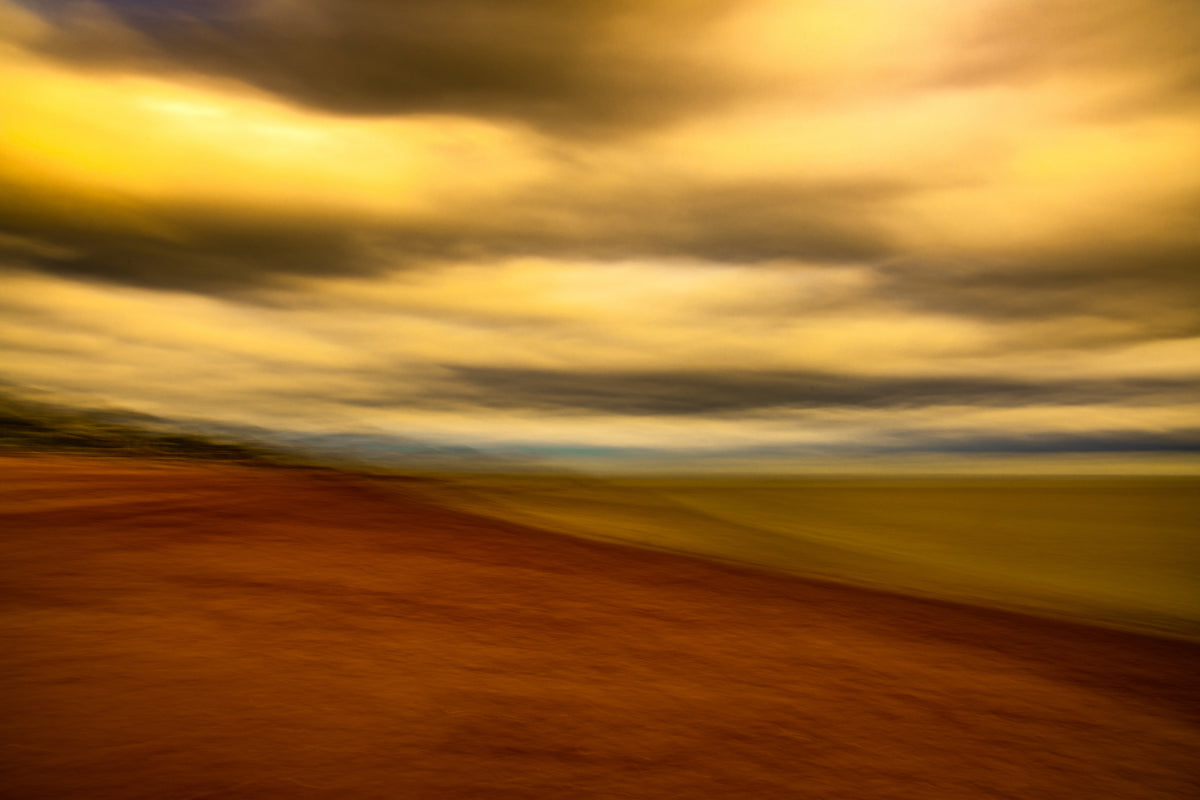
When you invest in a limited edition art print, you're buying scarcity and intentionality. Unlike open edition prints that can be reproduced indefinitely, limited edition art prints are produced in controlled quantities, often just 5, 10, or 50 copies per size or variation. At paulstrettonstephens, we create limited edition fine art prints using Intentional Camera Movement (ICM), a painterly photographic technique that transforms coastal scenes into emotionally resonant works.
The difference shapes resale potential, artistic integrity, and how the work ages in your space.
Limited Edition vs Open Edition Prints: Understanding the Distinction
Open edition prints can be reprinted whenever demand exists: no scarcity, no edition number, no inherent value growth.
When you own a limited edition print, you hold one of a known finite set: 1 of 50, a mathematically defined stake. Open editions offer no such clarity.
Consider the tiered release model. paulstrettonstephens uses a three-tier pricing structure for certain works, with earlier tiers priced lower and later tiers higher. For Indigo Moment, the Tier 1 and Tier 2 releases each offer 20 prints, while the Tier 3 release offers 10. Each tier is limited.
| Edition Type | Quantity Control | Scarcity | Collectibility | Typical Use |
|---|---|---|---|---|
| Limited Edition | Fixed, numbered | High | Investment-grade | Collectors, serious buyers |
| Open Edition | Unlimited | None | Decorative | Budget-conscious, casual buyers |
| Tiered Limited | Fixed per tier, numbered | Very high | Premium investment | Serious collectors, early adopters |
How to Assess Fine Art Print Quality
The artistic technique behind a print determines its visual impact. Limited edition art prints created using Intentional Camera Movement (ICM) produce a painterly effect, soft, blended, emotionally evocative, that differs fundamentally from sharp photographic realism. ICM involves moving the camera during exposure, creating intentional blur that conveys motion, atmosphere, and mood.
When assessing fine art print quality, examine three elements: artistic technique, craftsmanship, and material finish.
Artistic Technique and Intentional Camera Movement
Intentional Camera Movement (ICM) photography requires skill, intention, and artistic vision. The photographer must understand how motion, light, and colour interact during exposure. This is deliberate artistic choice, not accident or technical failure.
ICM photographs invite contemplation rather than documentation. Coastal scenes rendered through ICM capture the feeling of the sea, its rhythm, its vastness, its emotional weight, rather than its literal appearance.
When you examine an ICM print, look for intentional colour transitions, fluid motion that suggests movement without being chaotic, and a sense of stillness within the motion. The best ICM work balances abstraction with recognisability.
Craftsmanship and Finishing Details
Premium printing methods matter. Giclée printing on archival paper uses individual ink droplets to reproduce colour with exceptional accuracy and longevity. Metal printing (ChromaLuxe HD aluminium) creates a vibrant, glossy, contemporary aesthetic with superior durability. Archival materials resist fading; cheaper substrates yellow and degrade within years.
Finishing details reveal commitment to quality.
What Makes a Limited Edition Print Valuable
Value in limited edition art prints comes from scarcity, artistic merit, artist reputation, and material quality.
Scarcity is the foundation. An edition of 10 or 50 means only that many exist in the edition.
Artistic merit determines whether collectors want to own the work at all. A limited edition art print that captures emotion, innovation, or beauty commands respect and investment interest.
Artist reputation and credentials build confidence. paulstrettonstephens is a member of the Visual Artists Association, holds VAA Preferred Artist Status, and has been longlisted three times in the Visual Art Open International competition.
Tide by Paul Stretton-Stephens (Limited Edition) →
Fine Art Print Materials and Finishes: Choosing Your Investment
The material you choose affects aesthetics, durability, and how the work integrates into your space. Three premium options dominate: metal prints, giclée archival paper, and museum-quality acrylic facemount.
Metal Prints: ChromaLuxe HD Aluminium
Aesthetically, metal prints suit contemporary and minimalist interiors. The glossy finish and luminous quality feel modern and sophisticated. They work particularly well for abstract or impressionistic imagery, where the enhanced colour saturation amplifies the emotional impact. Fine art printing techniques and material longevity research shows that metal substrates outperform paper in high-humidity environments, making them ideal for bathrooms, kitchens, or coastal homes.
paulstrettonstephens offers Indigo Moment as a limited edition print on a thin ChromaLuxe aluminium panel, surrounded by a modern limed oak tray frame. The artwork captures twilight as sea and sky dissolve into shades of deep blue and indigo.
Giclée Archival Paper
paulstrettonstephens's Resting Armada is available as a limited-edition giclée print on premium Hahnemühle Photo Rag.
Authentication, Provenance, and Collector Confidence
Collectors invest in limited edition art prints partly for the art and partly for confidence that their investment is legitimate.
Provenance, the documented history of ownership, matters for high-value pieces.
The Real Cost: Beyond the Price Tag
Early Tier 1 buyers own prints at lower prices than later tiers.
Building Your Collection: Which Limited Edition Art Prints Suit You
Different collectors have different goals: investment potential, aesthetic fit, or emotional connection. Your choice of limited edition art print should align with your priorities.
For investment potential, focus on early-tier releases by artists with established credentials. paulstrettonstephens's tiered release model offers lower prices for Tier 1 buyers than for later tiers.
For a focal point, consider subject matter. Indigo Moment is printed on an aluminium panel, while Resting Armada is a giclée print on Hahnemühle Photo Rag.
For collectors new to limited edition art, start with a piece that genuinely moves you. Emotional connection matters more than perceived investment potential. If you love the work, you'll display it proudly, live with it daily, and feel satisfied with your purchase regardless of market trends. Art collecting psychology and investment decision-making shows that collectors who buy based on emotional resonance report higher satisfaction than those focused purely on investment metrics.
Browse Limited Edition Photography Prints to explore paulstrettonstephens's current collection. Consider the About Limited Editions page to deepen your understanding of how edition tiers work and why scarcity matters. For detailed guidance on assessing quality across different materials, How to Assess Fine Art Quality: A Collector's Guide provides comprehensive evaluation criteria.
Limited edition art prints are worth buying when they align with your aesthetic preferences, your space, and your understanding of what you're investing in. paulstrettonstephens creates limited edition fine art prints using Intentional Camera Movement, transforming coastal imagery into emotionally resonant works.
Frequently Asked Questions
Do limited edition art prints increase in value over time?
Limited edition art prints can appreciate if demand outpaces supply and the artist's reputation grows. However, value depends on artistic merit, artist credentials, and collector interest.
What's the difference between limited edition and open edition prints?
Limited edition prints are produced in a fixed quantity (e.g., 10, 50, or 100 copies). Open edition prints have no production limit, they're printed on demand indefinitely.
How can I tell if a limited edition print is authentic?
The Tier 1 Indigo Moment listing states that each artwork comes with a Certificate of Authenticity signed by Paul, a uniquely numbered tamper-evident holographic sticker, and a matching hologram affixed to the artwork, which Paul also signs. It also states that each artwork comes with product care information and a pair of white gloves.
Are limited edition art prints worth the higher price compared to other wall art?
paulstrettonstephens creates limited edition fine art prints using Intentional Camera Movement in contemporary coastal photography. Whether a print is worth buying depends on your preferences and what you value in the artwork.